Showing posts with label options. Show all posts

Thursday, March 19, 2015

Which to Choose? The Rebate or the Rate?


Manufacturer's for years have enticed the consumer with either huge rebates on the purchase of a new vehicle or extremely low interest rates through their direct lender. Rarely do they offer both. So the consumer is left to decide which to choose : the money or the interest rate?

A few things to consider. First, what interest rate would banks approve you for without incentives? If Chevrolet is offering 1.9% for qualified buyers, could you qualify for that rate or something close without accepting that offer? That is important to know because if you qualify for that low financing then you can take the rebate and get the rate, win win! But let's say you don't qualify. The easiest way to decide what is best for you is to go to a financial calculators website and fill in the boxes for your particular situation. For instance if the manufacturer qualifies you for a 7.9% rate on a $35,000 loan but normally you would qualify for say 15.9%, taking the lower interest rate instead of the rebate would save you $4,113! Simply plug in the numbers and the calculator will give you the best scenario for you.


The other thing to consider in choosing a low interest rate or the rebate is negative equity on your trade in if trading your auto. If your negative equity is high enough you may be forced to accept the rebate since banks limit the amount a consumer can finance on vehicles. Just because you're willing to pay $20,000 for a Dodge Neon doesn't mean a bank will be happy to loan that amount on that car. So depending on your situation you may be forced to accept the rebate in order to be approved for financing.

Arrive at the dealership armed with this information and your purchase experience will be easy and relaxing. Your biggest worry only finding the right car for you!


Sunday, March 15, 2015

What is the Best Time to Buy a Car?

As consumers we always want the best deal, the edge to receive the absolute best of everything. Buying a vehicle is most people's second largest purchase in their life behind the purchase of their home. And most of us only do it once every few years. So how do you assure the best price and deal on your purchase? There are infinite ways. One easily overlooked is timing. When should you purchase?


While generally nothing is set in stone in the retail business, near the end of the month is usually the best time of the month for you to purchase. Here are the ways and reasons why :

1. New car dealers have quotas and goals to meet with their Franchise. Chevrolet may ask a dealer to sell 100 trucks. If they do so, Chevrolet will pay the dealer a set amount of money per vehicle. So when a dealer may have said no to a short deal earlier in the month, that one sale could be difference between hitting that goal or not. 


2. Even a used car dealer may have incentive to move units at the end of the month at lower gross to either rid himself of an "old age" unit or a vehicle he owns way over book. If he had a good month he may take losses on a car or two instead of risking another book drop an losing even more thousands of dollars.

3. If you like the incentives offered in that month, i.e. rebates and interest rates, don't wait to see if the next month they are better. Some do run out. During the summer months some manufacturers offer a limited amount of tax breaks on their lease programs that saves you thousands in real money and monthly payment. But they run out. If you see something you like don't pass it up looking for the next better deal.

4. Salespeople also have bonus levels and personal goals they need to reach. Their pay plan may include a large bonus if they sell a certain of cars or maybe just new cars. A "skinny" deal could mean hundreds of dollars to the salesperson. Also, manufacturers pay spins to salespeople for each new vehicle sold. The amounts increase on a tier level. For instance selling 3 new cars may pay him $100 per unit. Selling 9 new cars may pay him $300 per unit retro back to 1. Meaning the ninth unit pays him $1200!


Remember these points next time you're in search of new vehicle. I would not wait to the last day personally but to each their preference. Arrive at the dealership knowing you have bargaining power!


f99a6d6831eefafba48834ad0c839e0b9c74ddde414e0aef5a

Tuesday, March 3, 2015

Lease or Buy? Which is Best for You

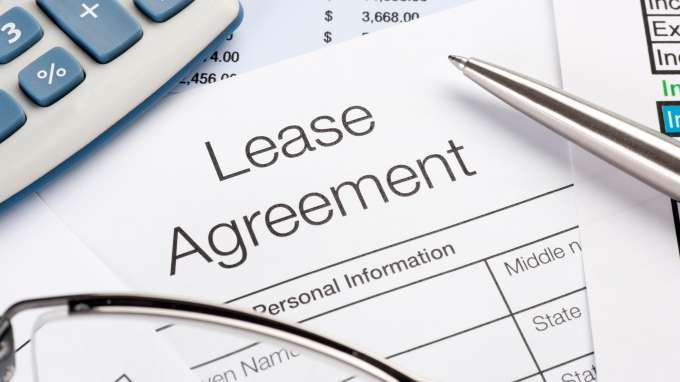
Choosing to buy or a lease a new vehicle is a difficult decision.Especially since a lease is difficult to understand. The correct choice depends on your particular situation. There are pro's and con's to both.


First, let's get the basics of a lease.The first thing to understand in a lease is you are not buying the car. Essentially you're renting it.They allot you certain number of miles per year. If you go over that there's a fee. You're payment is only to cover the depreciation of the vehicle and there isn't an interest rate, in a lease it's called a money factor. It is still calculated on your credit rating. Those are the basics of leasing, so why lease instead of buying?


The best part of leasing is you get to drive a new car. A lease is best when applied to a new car. Leases are anywhere from 12 to 60 months. Since you only pay on the depreciation the payment is usually lower and at the time of turn in you are not upside down. Once the lease is up you're free to purchase another vehicle without having to worry about negative equity.It is best to do a lease for the a term equal to or less than the factory warranty of the vehicle. That way you never have to worry about repairs or such.

A lease is also good if you're trying to trade out of a vehicle with negative equity. If a car has a good residual value it can handle the negative equity brought into the deal without your payments skyrocketing. I recently trade out of a vehicle I was approximately $4,000 upside down and paying $471 a month and leased a brand new vehicle with no money down and my lease payments are $353!
The two hardest parts of leasing though are first, money down is almost always a requirement depending on the manufacturer. First, paying taxes upfront is almost always required plus your first payment and some leases also have an acquisition fee. then depending on the lease deal, a certain amount of money down may be required in order to meet the depreciation requirements. Large sums of down payment like that can be difficult, but as all parts of an auto purchase, that is negotiable.


Second, the limit in miles scares most buyers. The mileage range can be anywhere from 10,000 to 15,000 a year. 15,000 is usually plenty for most people. But if you feel you may go over that amount you can pre-pay for those miles in your lease, your payment just goes up. At lease turn in if you didn't pre-pay for your miles you will have to pay at that time. Usually at a rate .15 cents a mile. You also have to take care of your vehicle. Remember, a lease attempts to predict the value of a vehicle assuming it is in good condition. If at lease turn in your vehicle is missing the front end, you will have to pay for whatever the dealer feels that will cost or depreciate the value. You can also just purchase your vehicle at that time if you love it enough.
If you find yourself trading out of your vehicles every 2 to 3 years, a lease is for you. If you want a low payment on a top of the line vehicle, a lease is for you.