So you've chosen the best-priced vehicle you love and now it's time to go in and actually purchase the vehicle. Sign on the dotted line. The actual buying process should now be fairly easy and simple, as all important negotiations have been done before entering the dealership. Still, there are some things to watch out for and a couple of finer points to execute.
- Again, verify the VIN on the vehicle and assure you are buying the vehicle you negotiated on.
- If the numbers are not exactly as they were discussed, walk away.
- Assure you bring anything the dealer asked you for. Proof of Income, residence, etc.
- When you got to finance understand that you don't have to buy any products. They can be useful, but they are optional.
- During the signing process look for any undisclosed charges and fees such as protection packages, transport fees, floor plan fees, etc. Some fees are legal (Doc Fee) but most are attempts by the dealer to make up for the loss on the sale of the vehicle.
- Lastly, drive away and enjoy your vehicle!
Also Read:
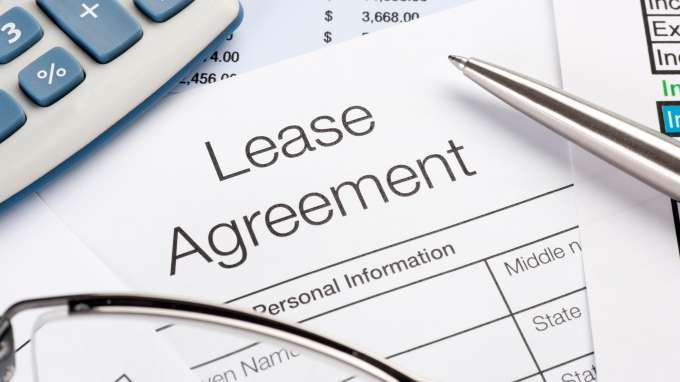
Choosing to buy or a lease a new vehicle is a difficult decision.Especially since a lease is difficult to understand. The correct choice depends on your particular situation. There are pro's and con's to both.
First, let's get the basics of a lease.The first thing to understand in a lease is you are not buying the car. Essentially you're renting it.They allot you certain number of miles per year. If you go over that there's a fee. You're payment is only to cover the depreciation of the vehicle and there isn't an interest rate, in a lease it's called a money factor. It is still calculated on your credit rating. Those are the basics of leasing, so why lease instead of buying?
The best part of leasing is you get to drive a new car. A lease is best when applied to a new car. Leases are anywhere from 12 to 60 months. Since you only pay on the depreciation the payment is usually lower and at the time of turn in you are not upside down. Once the lease is up you're free to purchase another vehicle without having to worry about negative equity.It is best to do a lease for the a term equal to or less than the factory warranty of the vehicle. That way you never have to worry about repairs or such.
A lease is also good if you're trying to trade out of a vehicle with negative equity. If a car has a good residual value it can handle the negative equity brought into the deal without your payments skyrocketing. I recently trade out of a vehicle I was approximately $4,000 upside down and paying $471 a month and leased a brand new vehicle with no money down and my lease payments are $353!
The two hardest parts of leasing though are first, money down is almost always a requirement depending on the manufacturer. First, paying taxes upfront is almost always required plus your first payment and some leases also have an acquisition fee. then depending on the lease deal, a certain amount of money down may be required in order to meet the depreciation requirements. Large sums of down payment like that can be difficult, but as all parts of an auto purchase, that is negotiable.

Second, the limit in miles scares most buyers. The mileage range can be anywhere from 10,000 to 15,000 a year. 15,000 is usually plenty for most people. But if you feel you may go over that amount you can pre-pay for those miles in your lease, your payment just goes up. At lease turn in if you didn't pre-pay for your miles you will have to pay at that time. Usually at a rate .15 cents a mile. You also have to take care of your vehicle. Remember, a lease attempts to predict the value of a vehicle assuming it is in good condition. If at lease turn in your vehicle is missing the front end, you will have to pay for whatever the dealer feels that will cost or depreciate the value. You can also just purchase your vehicle at that time if you love it enough.
If you find yourself trading out of your vehicles every 2 to 3 years, a lease is for you. If you want a low payment on a top of the line vehicle, a lease is for you.
Consumers always ask, which is better, to purchase a vehicle cash or to finance? While every situation is unique and varies, the consensus by financial Gurus such as Dave Ramsey is to purchase cash. While I am no financial genius, I am against purchasing a vehicle cash in most situations.There are a few occasions where I feel a cash purchase is the best option, but there are many factors to consider.

First, you have to decide how much vehicle you're trying to buy and what purpose will it serve. I once bought a Saturn Vue cash for ,y daughter's first car. I think we paid $3500. The Vue had over 100,000 miles and over 10 years old. It wasn't meant to be a car to last a lifetime or be driven to the ground. It was just her first car to last her a few years. In this day and age, $5,000 doesn't buy a whole lot of car. So you have to tread lightly on a purchase in which the vehicle may not be in the best condition. So, decide how much do I want to spend? What do I want to get out of my purchase?
Now, for larger purchases in the $20,000, $30,000 or $40,000 range why buy cash? Financial experts say you don't want to pay interest over time and that will save you thousands. True. But how much money will you lose by pulling such a large amount from your account? Most individuals who have that much money available in the bank or through investments have two things in common, excellent credit and financial independence to a point. Meaning this, if you have a large amount of money in the bank earning interest making you money for nothing, why would you stop it from doing so? $20,000 earning 10% compound interest will earn you approximately $10,000 over 60 months. If you finance $20,000 over 60 months at a modest 3.9% you will pay approximately $4,400 in interest charges. That means keeping your money in the bank will actually make you about $5,500! This is one factor to consider in deciding whether to finance or pay cash.
Another factor, for me, is even more important. Why invest in a depreciating asset? The two brands with the best resale value in America are Subaru and Toyota. And both of those brands will be worth between 52 and 65% after three years. All vehicles, new and pre-owned, lose value immediately. So why put either all or a lot of your cash into something that will be worth less in the immediate future? It's like telling someone here's $200 pay me back $100 when you can. It goes contradictory to common sense.
Lastly, the train of thought in buying cash is that you avoid payments and you own your assets. In case of income loss you don't have to worry about losing anything. That is excellent thinking. Except that I revert back to the common factors of people who consider buying cash: excellent credit and financial independence. People who have 20, 30, 40 or more thousands in the bank do not come by that in by accident. They are financially bright individuals. So that if they have $20,000 in the bank today, they will not spend or lose that money just because they didn't make a cash purchase. They will keep that money in the bank and the option to payoff any loan is always there because the financial means is always there. If they lose their job, they have money in the bank to payoff any loans and still manage.
To finance or purchase cash is ultimately a personal decision. You have to weigh all your personal factors and choose to your needs. Would I buy a home cash? Absolutely. Over time property values can only go up. Would I purchase a fairly new vehicle cash? No. For my personal preference, it is not a financially sound decision.